
What Does Jasmine Smell Like in Perfume? Floral, Sensual, Iconic
There is a reason jasmine is called the "king of flowers" in perfumery. The plant genus called jasmine (Jasminum), especially species like Jasminum officinale and Jasminum sambac, is iconic and essential in perfume composition, renowned for its powerful presence and historical significance in fragrance. It does not sit quietly on a shelf waiting to be noticed. It fills a room. It follows you down a hallway. It makes people turn their heads and ask what you are wearing. Do I personally think this description befits a queen? Yes, but we'll let it be for now.
Jasmine is the single most used floral ingredient in the global fragrance industry. It appears in an estimated 80% of women's perfumes and a surprising number of men's fragrances too. It is so fundamental to perfumery that some perfumers consider it not just a note but a building material — as essential to fragrance construction as flour is to bread.
What Does Jasmine Smell Like?
Jasmine is a white floral, but calling it that barely scratches the surface. Jasmine's scent is renowned for its complexity and depth, combining floral, musky, and green notes that create a multifaceted olfactory experience. While most white florals share a certain lushness, jasmine has that lushness and then adds a layer that none of the others have: a warm, almost animalic depth that makes it feel alive on skin.
The first impression is sweet — a rich, heady floral that immediately registers as "expensive." There is a honeyed quality to it, a sense of nectar. But underneath the sweetness, jasmine carries something darker and more complex. There is a fruitiness, a faint indolic character (a natural compound that gives jasmine its sensual, skin-like warmth), and a creamy undertone that makes the note feel full-bodied rather than thin. Jasmine frequently features undertones of ripe fruit, such as banana, apricot, or strawberry. The natural component indole in jasmine provides a musky or slightly animalic depth that counteracts the sweetness.
On skin, jasmine blooms. This is not a metaphor — jasmine genuinely becomes richer and more complex as it warms with your body heat, revealing nuance over time. A jasmine-heavy fragrance will smell noticeably different and often more beautiful two hours into wearing than it does in the first five minutes. This is part of what makes jasmine so prized. It rewards patience.
Different varieties of jasmine carry different characteristics. Jasminum officinale (common jasmine or poet's jasmine) is the most important species in perfumery, known for its sweet, rich, strong honey aroma. Jasminum sambac — Arabian jasmine — has a sweeter aroma with fruity undertones and a more musky, sultry profile. Royal jasmine (Jasminum officinale var. grandiflorum) is known for its creamy, fruitier scent, often described as similar to white peach. Indian jasmine often has greener and more herbal notes, while Egyptian jasmine tends to be sweeter and more honey-like.
The Scent Profile at a Glance
- Family: White floral
- Character: Rich, sweet, sensual, honeyed, warm, slightly animalic
- Pairs with: Rose, neroli, sandalwood, musk, vanilla, bergamot, ylang ylang, tuberose, amber
- Mood: A night that is warm enough to leave the windows open. The hours between dinner and sleep. The drive from Nice to Grasse with the car windows open as dusk settles into night…blooming jasmine.
Types of Jasmine Perfumes
Jasmine perfumes are as varied as the flower itself, offering a spectrum of experiences for every fragrance lover. One of the most distinctive categories is the solifloral jasmine perfume, where jasmine takes center stage as the primary note — designed to showcase the pure, unadulterated beauty of jasmine, whether the lush creaminess of grandiflorum or the heady intensity of sambac.
More commonly, jasmine perfumes are crafted as blends, where jasmine is paired with other notes — think orange blossom, sandalwood, or vanilla — to create a more nuanced fragrance. Jasmine is almost always used as a heart note in perfume construction, providing the "soul" and volume of the scent. The result is a fragrance that feels balanced and multidimensional, with a long-lasting floral aroma that evolves on the skin.
The type of jasmine used also shapes the perfume's personality. Jasmine sambac, with its slightly fruity, tea-like freshness, brings a vibrant, modern twist to fragrances, while royal jasmine offers a more classic, powdery floral note. Some perfumes highlight natural jasmine absolute — a highly prized extract requiring around 8,000 handpicked jasmine blossoms to make just one milliliter of oil — while others rely on synthetic jasmine for consistency and affordability.
Jasmine's Place in Perfumery History
Jasmine has been used in fragrance for at least two thousand years. It is native to the Himalayas and was cultivated across Persia, the Arab world, and eventually the Mediterranean, where it became a cornerstone of the French perfumery tradition.
The jasmine fields of Grasse, in southeastern France, are legendary in the fragrance world. For centuries, Grasse was the center of global perfume production, and jasmine was one of its most important crops. The flowers must be harvested by hand at dawn — before the sun evaporates the volatile oils — and it takes roughly 8,000 hand-picked blossoms to produce a single gram of jasmine absolute. This labor-intensive process is a significant part of why natural jasmine remains one of the most expensive raw materials in perfumery.
In Indian and Middle Eastern traditions, jasmine carries deep cultural significance. In India, jasmine garlands are woven for weddings, worn in women's hair, and offered in temples. In many Arabic-speaking cultures, jasmine is associated with hospitality and grace. The word for jasmine in Arabic — yasmin — has become one of the most popular names in the world, carrying with it the flower's connotations of beauty and warmth.
In Western perfumery, jasmine's versatility made it indispensable. It is present in some of the most iconic fragrances ever created — from classic French parfums to modern niche compositions. Perfumers prize it because it can be sweet without being simple, sensual without being heavy, and rich without being overwhelming. Very few notes can do all three.
How Jasmine Works in Modern Fragrance
Jasmine is typically classified as a heart note — it sits in the middle of a fragrance composition, bridging the bright opening and the warm base. But jasmine's influence extends in both directions. Its sweetness supports lighter top notes like bergamot and neroli. Its warmth and depth connect seamlessly to base notes like sandalwood, musk, and amber.
In modern perfumery, jasmine shows up in three main ways.
As the star. Some fragrances are built around jasmine as the dominant note — lush, unapologetic floral compositions where jasmine's full character is on display. These are fragrances for people who want to be noticed.
As a supporting player. More often, jasmine appears in smaller doses to add richness and complexity to other notes. A touch of jasmine can make a vanilla fragrance feel less one-dimensional, give a citrus composition unexpected depth, or add a floral warmth to a woody scent. This is jasmine's most common role in modern perfumery — the ingredient you do not consciously identify but would immediately miss if it were removed.
As a bridge. Jasmine's unique combination of sweet-floral-animalic character makes it one of the best bridging notes in perfumery. It connects fresh, bright openings to warm, musky bases in a way that feels natural rather than abrupt. When a fragrance transitions smoothly from its first spray to its dry-down, jasmine is often the reason.
Benefits of Jasmine
Beyond its captivating fragrance, jasmine offers a host of benefits that extend into wellness and self-care. The aroma of jasmine flowers, especially when distilled into jasmine essential oil, is celebrated for its ability to uplift the mood and soothe the mind. In aromatherapy, the scent of jasmine is often used to reduce stress, ease anxiety, and promote a sense of calm — making it a popular choice for relaxation rituals and bedtime routines.
Jasmine essential oil is also valued for its skin-loving properties. With natural anti-inflammatory and antimicrobial effects, it can help soothe irritation and support the healing of minor wounds. This makes jasmine a cherished ingredient not only in perfumery but also in skincare, where its gentle touch benefits sensitive and dry skin types.
The benefits of jasmine aren't limited to topical use. Jasmine tea, made from the delicate flowers, is enjoyed for its subtle fragrance and potential health perks, such as supporting heart health and aiding digestion. Whether you're enjoying the aroma of jasmine in a favorite fragrance, sipping jasmine tea, or using jasmine essential oil in your skincare routine, this flower's gifts go far beyond its beautiful scent.
Popular Jasmine Perfumes
Jasmine's allure has inspired some of the most beloved perfumes in the fragrance world, each offering a unique interpretation of this iconic floral note. Serge Lutens' À La Nuit is a cult favorite among jasmine lovers, celebrated for its lush, intoxicating jasmine scent that captures the essence of night-blooming jasmine in full bloom. Jo Malone's Jasmine Sambac & Marigold offers a fresher take, blending the sweet, slightly fruity scent of jasmine sambac with the brightness of marigold for a fragrance that feels both uplifting and modern.
Niche brands like Le Labo and Byredo have also embraced jasmine, creating perfumes that highlight the flower's versatility — whether paired with green notes, citrus, or other white florals. Each showcases a different facet of jasmine's character, from fresh and delicate to deep and musky, ensuring there's a jasmine fragrance for every personality and occasion.
Finding Your Favorite Jasmine
Choosing your favorite jasmine fragrance is a deeply personal journey, shaped by your unique preferences and scent memories. If you're new to jasmine perfumes, start with lighter, more delicate compositions where jasmine is blended with other floral or citrus notes. These fragrances offer a gentle introduction to jasmine's scent, allowing you to appreciate its beauty without feeling overwhelmed.
As your appreciation grows, you might gravitate toward more concentrated jasmine perfumes, such as eau de parfum or even parfum formulations, which offer a richer and longer-lasting floral aroma. Sampling is key — try discovery sets or visit fragrance counters to experience how different jasmine perfumes evolve on your skin. Don't be afraid to explore a range of styles, from solifloral jasmine fragrances that put the flower front and center, to complex blends where jasmine plays a supporting role.
The Significance of Jasmine
Jasmine holds a place of honor in the fragrance world, celebrated not only for its exquisite scent but also for its deep cultural and emotional resonance. Across centuries and continents, jasmine has been cherished as a symbol of love, romance, and beauty. Its sweet, intoxicating aroma has graced wedding ceremonies, adorned celebrations, and inspired countless works of art and poetry.
Beyond its role in creating unforgettable fragrances, jasmine's scent is believed to offer soothing and uplifting effects, making it a favorite in aromatherapy and wellness rituals. For perfumers and fragrance enthusiasts alike, jasmine's versatility is part of its enduring appeal — it blends seamlessly with other floral notes, enhances the complexity of a fragrance, and brings a sweet, floral richness that is instantly recognizable.
Jasmine at OUI the People
Jasmine appears in the OUI the People collection as a supporting note that adds floral richness and sensual warmth without dominating the composition.
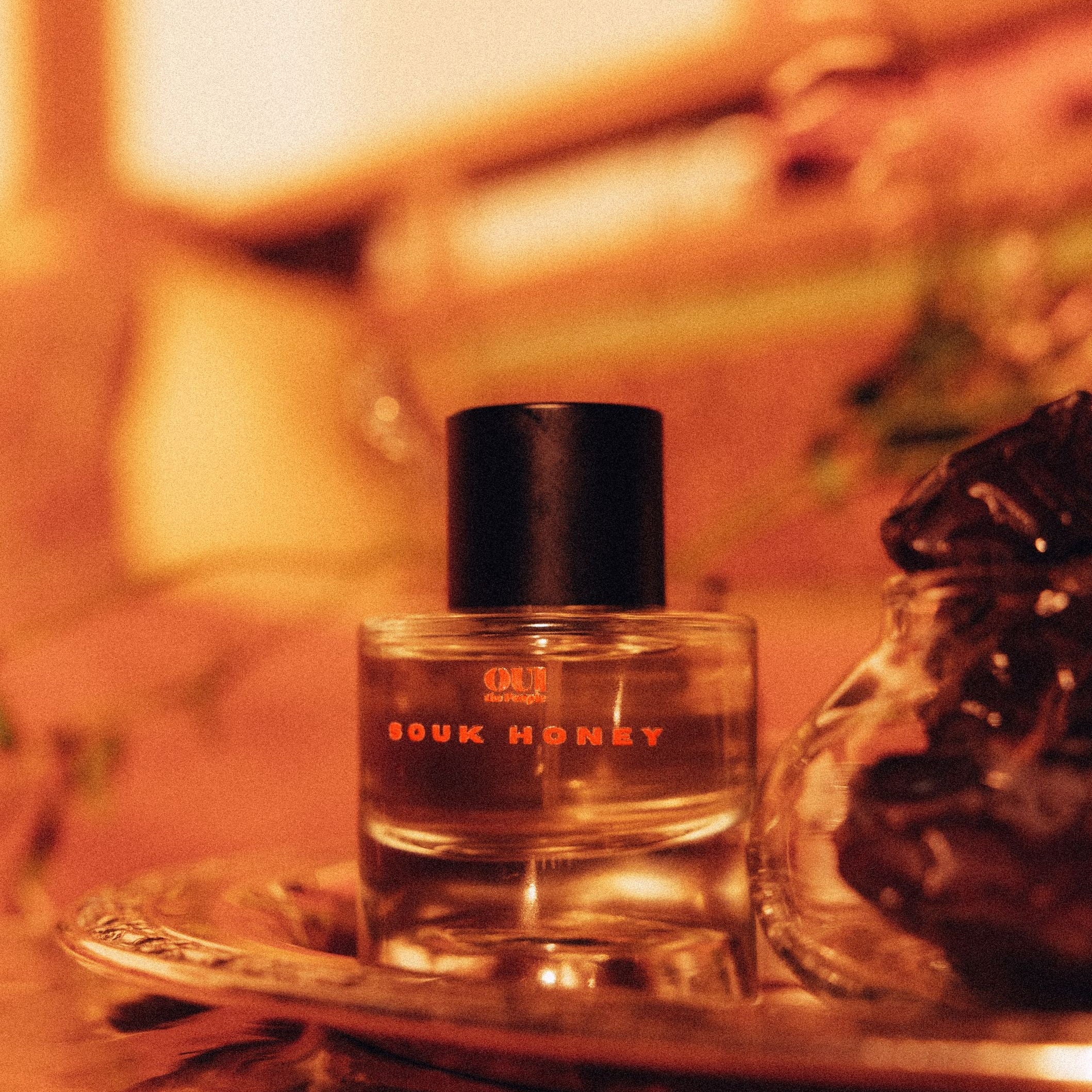
In SOUK HONEY Eau de Parfum, jasmine petals join orange blossom and neroli nectar in the top notes, creating the luminous floral opening before the fragrance deepens into cardamom, dates, and manuka honey. The jasmine is what gives Souk Honey its lushness in those first moments — a rich floral sweetness that signals you are wearing something worth leaning into. As the fragrance evolves, the jasmine recedes and lets the honeyed base take over, but its warmth remains as an undertone throughout the wear.
SUNDAY LIME Eau de Parfum features white jasmine in the heart alongside ylang ylang and amber crème. Here, jasmine plays a softer, more diffused role — adding a gentle floral warmth to the mineral vanilla composition without pulling it into full-floral territory. It is the note that keeps Sunday Lime from being purely aquatic, giving it a human warmth beneath the salt and sea air.
Both fragrances demonstrate jasmine's range as an ingredient — opulent and present in Souk Honey, airy and restrained in Sunday Lime. The Fragrance World Discovery Set lets you experience both expressions side by side, which is one of the best ways to understand how a single note can shape two completely different fragrances.
Frequently Asked Questions
Is jasmine overpowering in perfume?
It depends on the composition. Jasmine can be intense in a soliflore (a fragrance built around a single flower), but in most modern fragrances, it is blended with other notes that temper and balance its richness. If you are worried about headiness, look for fragrances that list jasmine alongside lighter notes like bergamot, musk, or green tea — the jasmine will add depth without taking over.
Why does jasmine smell different at night?
Jasmine flowers actually release more of their volatile oils after sunset — it is a biological adaptation to attract nighttime pollinators. This is why fresh jasmine smells strongest in the evening and why many cultures associate jasmine with nighttime and romance. In perfumery, this nocturnal quality is part of what gives jasmine its sensual reputation.
What is the difference between jasmine and orange blossom?
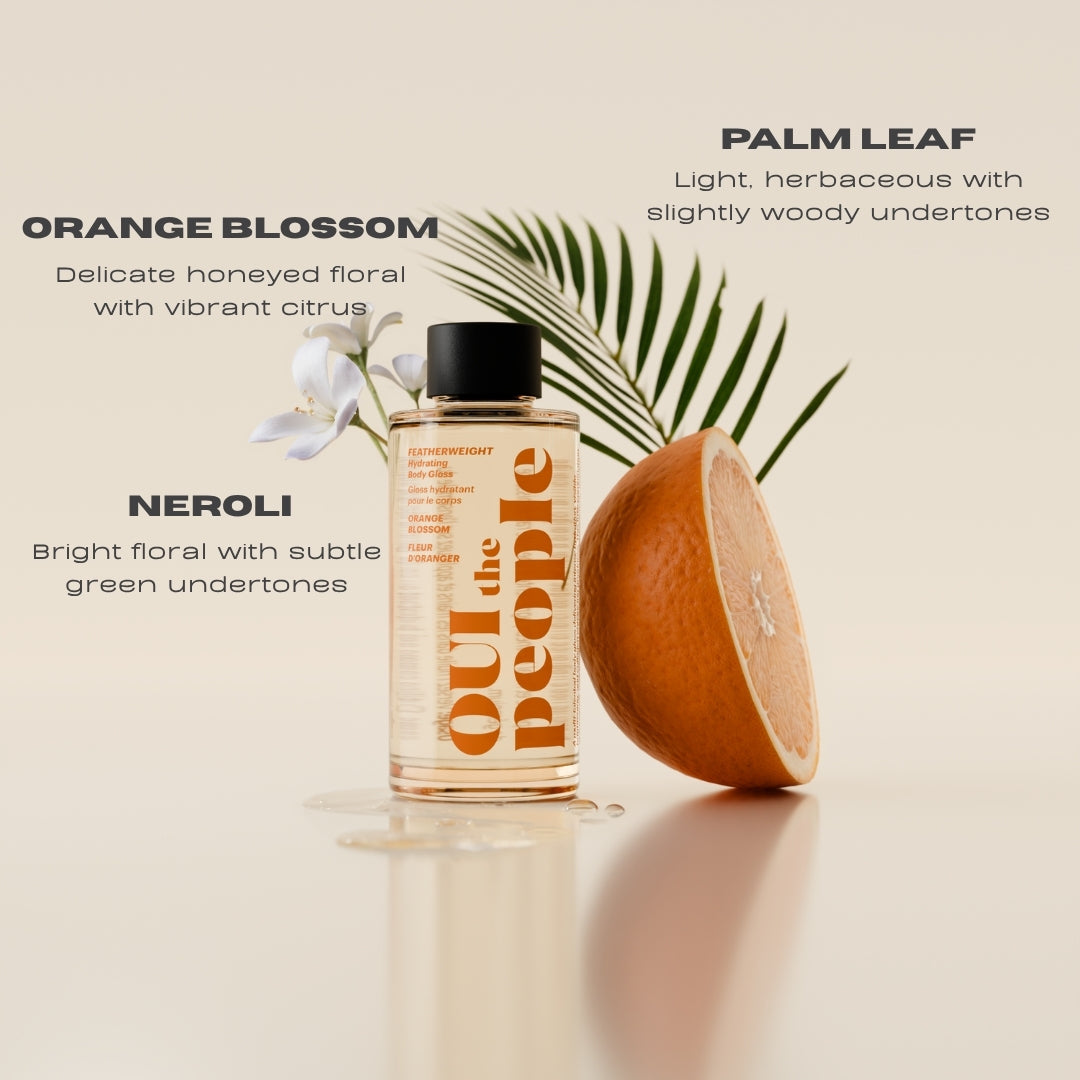
Both are white florals, but they occupy different emotional spaces. Orange blossom (and its distilled form, neroli) is brighter, cleaner, and more transparent — like sunlight on flowers. Jasmine is richer, warmer, and more sensual — like those same flowers after the sun has set. Orange blossom lifts a fragrance up; jasmine pulls it in closer. Many fragrances, including SOUK HONEY, use both together for that exact contrast.
Is jasmine used in men's cologne?
Extensively. Jasmine sambac in particular is a staple in masculine and unisex fragrances, often paired with woods, leather, and spice. Its warm, slightly animalic depth reads as sensual and confident regardless of gender. If you have ever smelled a men's fragrance and noticed a rich, warm floral quality you could not name, it was likely jasmine.
Why is jasmine so expensive in perfumery?
It takes approximately 8,000 hand-picked jasmine flowers to produce a single gram of jasmine absolute. The flowers must be harvested at dawn by hand before the heat degrades the oils. This labor intensity, combined with the fact that jasmine only blooms for a few months each year, makes natural jasmine absolute one of the most costly ingredients in the perfumer's palette. Synthetic jasmine molecules help make the note accessible in everyday fragrances.
This is part of the OUI the People Fragrance School — a growing guide to understanding the notes, families, and language of fragrance.
,%20especially%20species%20like%20Jasminum%20officinale%20and%20Jasminum%20sambac,%20is%20iconic%20and%20ess...)
Leave a comment
This site is protected by hCaptcha and the hCaptcha Privacy Policy and Terms of Service apply.