
Bergamot Scent: What Does Bergamot Smell Like? A Guide to Bergamot in Perfume
If you have ever sprayed a perfume and felt an immediate lift — something bright and clean that makes the air feel lighter — there is a very good chance bergamot was hard at work.
Bergamot is one of the most used ingredients in perfumery. It appears in everything from classic colognes to modern gourmands, and it has been doing so for over three hundred years. Its beautiful scent enhances the overall appeal of fragrances, making them more inviting and memorable. In fact, bergamot is often referred to as the so-called top note in perfumes, recognized for its ability to introduce a fragrance with freshness and brightness. But despite being everywhere, most people could not pick it out of a lineup. It is the note you have smelled a thousand times without knowing its name.
Many people confuse bergamot with other citrus scents, such as orange, because its complex aroma is both citrusy and refreshing, yet also floral and spicy.
What Does Bergamot Smell Like?
Bergamot smells like citrus that went to finishing school. It has the brightness of orange and the tartness of lemon, but smoothed out — more refined, less sharp, with an aromatic, almost floral quality and a slightly sweet undertone that adds complexity to its aroma. Its slightly floral scent distinguishes bergamot from every other citrus fruit. Bergamot also has a hint of the leaves in it, adding a distinct green undertone to this gorgeous scent.
Imagine squeezing a lemon, but instead of that puckering acidity, the scent softens halfway through into something greener, slightly bitter, and unexpectedly elegant. There is a tea-like quality to bergamot — which makes sense, because it is the flavoring in Earl Grey. If you have ever held a cup of Earl Grey close to your face and breathed in before the first sip, you already know what bergamot smells like. Bergamot tea is enjoyed for its aromatic qualities, both hot and iced.
On skin, bergamot reads as clean and luminous without being soapy. It has a transparency and is prized for its vibrant citrus notes that heavier citrus fruits like blood orange or grapefruit lack. Where those notes feel dense and juicy, bergamot feels like light passing through something. That quality is why perfumers reach for it when they want a fragrance to open with freshness that does not overpower whatever comes next. When I want to feel exuberant, I reach for a bergamot fragrance.
Compared to other citrus fruits, bergamot's scent is also considered fruity, contributing to its summery and uplifting character.
The Scent Profile at a Glance
- Family: Citrus / aromatic citrus
- Character: Bright, clean, slightly bitter, aromatic, tea-like
- Pairs with: Neroli, lavender, jasmine, rose, vetiver, musk, vanilla, black pepper, cardamom
- Role: Bergamot is a top note in perfumery, often defining the opening of a fragrance.
- Mood: The first hour of morning. Clean linen. A terrace in late afternoon sun. The moment you step outside and the air feels good on your skin. Sipping on a beautiful crisp white wine as the afternoon settles into evening.
Where Does Bergamot Come From?
Bergamot, classified botanically as Citrus bergamia risso, is a small, round citrus fruit — somewhere between a lemon and an orange in appearance — that is distinct from other citrus varieties. It is a hybrid between bitter orange and lemon, with a notable bitter orange heritage contributing to its unique aromatic profile. Bergamot oranges are primarily grown in the coastal region of Calabria in southern Italy and throughout the Mediterranean, with Calabria producing an estimated 80% of the world's bergamot supply. The microclimate there — sea air, volcanic soil, specific temperature swings — gives Calabrian bergamot a complexity that bergamot grown elsewhere does not quite match.
As a unique citrus plant, bergamot requires specific climate conditions to thrive. The essential oil is cold-pressed from the rind of the unripe fruit. Bergamot leaves are also aromatic and sometimes used in traditional remedies. While the fruit itself is too bitter and sour to eat, fresh bergamot is prized in culinary uses for its sour, bitter, and citrus characteristics, adding depth to dishes and confections. You have encountered bergamot in Earl Grey tea, in Italian marmalade, in Turkish delight, and in nearly every cologne or fresh fragrance you have ever tried.
In perfumery, bergamot has been a foundational note since at least the early 1700s, when it was a key ingredient in the original eau de cologne formulas coming out of Germany and Italy. It is, in many ways, the ingredient that started the modern fragrance industry. It's important to note that wild bergamot refers to a different plant in the mint family (Monarda didyma), not the citrus fruit used in perfumery.
History and Cultivation of Bergamot
Bergamot's story begins far from the sun-drenched groves of southern Italy. This citrus fruit, known botanically as Citrus bergamia, is believed to have originated in Southeast Asia, where ancient citrus plants first mingled and hybridized. The bergamot orange itself is a natural cross between sour orange and lemon, which explains its intense acidity and the distinct scent that sets it apart from other citrus fruits.
Today, the heart of bergamot cultivation beats in Calabria, a region in southern Italy where the climate and soil create the perfect environment for this unique fruit. Here, gentle sea breezes and mineral-rich volcanic earth coax the bergamot trees into producing fruit with the highest concentration of aromatic oils. The harvest season runs from November to March, when the fruit is at its aromatic peak. Unlike many citrus fruits, bergamot is prized not for its juice, but for its peel — the source of its precious essential oil.
The process called cold pressing is used to extract the oil from the bergamot rind. This gentle method preserves the fruit's delicate, volatile compounds, capturing the full spectrum of its scent. The result is an essential oil that embodies the essence of bergamot: bright, complex, and unmistakably fresh.
Bergamot Oil and Its Production
Bergamot oil is the fragrant heart of the bergamot fruit, and its production is a craft honed over centuries. The essential oil is extracted from the peel of the bergamot orange using cold pressing — a method that gently presses the rind to release its aromatic oils without the use of heat, preserving the oil's fresh, citrusy scent and slightly floral undertones.
This fragrant oil is highly sought after in the perfume industry, where it serves as a cornerstone for countless compositions. Its enchanting scent — at once bright, zesty, and subtly floral — makes it a favorite for both classic and modern fragrances. The oil's high concentration of limonene gives it a sparkling, uplifting quality that perfumers love for top notes.
Beyond perfumery, bergamot essential oil finds its way into skincare products, where its fresh aroma and potential skin benefits are prized, as well as into aromatherapy blends designed to uplift and soothe. In Italy, the quality of bergamot oil is protected by the Denomination of Protected Origin (DOP) certification, ensuring that only oil produced in the traditional Calabrian way can bear the name.
Bergamot Essential Oil Benefits
Bergamot essential oil, distilled from the rind of the bergamot orange (Citrus bergamia), is celebrated for its multifaceted benefits that go far beyond its enchanting scent. Rich in limonene and other natural compounds, bergamot oil is a staple in aromatherapy, prized for its ability to both calm and uplift. The citrusy scent, layered with slightly floral undertones, is known to help ease anxiety and promote a sense of relaxation — making it a favorite for diffusers and stress-relief rituals.
In skincare, bergamot essential oil is valued for its gentle antimicrobial properties, which can help support clearer, healthier-looking skin when used properly. Its fresh, clean aroma also makes it a popular addition to body oils and lotions, offering both fragrance and functional benefits. The oil's antioxidant content helps protect the skin from environmental stressors, while its unique scent profile adds a touch of luxury to daily routines.
Whether used in a calming bath, a mood-boosting diffuser blend, or a skin-loving body gloss, bergamot essential oil brings a sense of balance and well-being to any ritual. As always, it's important to use bergamot oil with care, especially on skin exposed to sunlight, to avoid photosensitivity.
Culinary and Beverage Uses
Bergamot's distinct scent and flavor have made it a cherished ingredient in kitchens and teapots around the world. While the bergamot fruit itself is too sour and bitter to eat fresh, its aromatic qualities shine in marmalades and jams, where the tartness is balanced by sugar to create a uniquely fragrant spread. Bergamot juice, with its sweet-meets-sour profile, can be used as a creative substitute for lemon or lime juice, lending a softer, more floral citrus note to dressings, marinades, and desserts.
Perhaps most famously, bergamot oil is what gives Earl Grey tea its signature aroma and flavor. The oil is blended with black tea leaves, infusing each cup with bright citrus notes and a slightly floral finish that tea lovers instantly recognize. Beyond Earl Grey, bergamot's citrusy scent pairs beautifully with green and herbal teas, adding depth and complexity to the beverage experience.
In the world of mixology and desserts, bergamot is a secret weapon for chefs and bartenders alike. A dash of bergamot juice or a hint of oil can transform cocktails, sorbets, and pastries, offering a refreshing twist that stands out from more common citrus fruits.
Why Perfumers Love Bergamot
Bergamot does something in a fragrance composition that very few other notes can do: it makes everything around it sound better.
As a top note, bergamot evaporates relatively quickly — typically within the first thirty to sixty minutes of wearing a fragrance. But its job is not to last. Its job is to create an impression, to set a tone, and to bridge the gap between the moment you spray and the moment the heart notes arrive. It is the opening sentence of a story, and it needs to be good enough that you keep reading.
Perfumers describe bergamot as "transparent," meaning it does not mask or compete with other notes. A heavy citrus like grapefruit can bulldoze a floral heart. Bergamot steps aside gracefully. It lifts jasmine without overshadowing it. It brightens vanilla without making it feel sharp. It adds freshness to oud without stripping away the richness.
This is why bergamot appears across every fragrance family — not just citrus and fresh categories, but florals, orientals, gourmands, and even heavy woody compositions. It is the ultimate team player.
Pairing Bergamot with Other Scents
Bergamot's unique scent profile — citrusy, slightly floral, and just a bit bitter — makes it a natural harmonizer in the world of fragrance. Its versatility allows it to pair beautifully with a wide range of other essential oils and scent notes, creating compositions that are both balanced and memorable.
When blended with spicy notes, such as those found in black tea or the iconic Earl Grey tea, bergamot adds a bright, aromatic lift that transforms the familiar into something intriguing. Its affinity for floral scents like lavender and rose brings out the best in both, resulting in fragrances that feel fresh yet full-bodied.
Bergamot also shines when combined with other citrus fruits, such as lemon or sweet orange, amplifying the freshness and adding complexity to the aroma. Whether in perfumes, skincare products, or even tea blends, bergamot's ability to enhance and elevate other scents is unmatched. It's the secret ingredient that turns a simple fragrance into an enchanting scent experience, making every blend feel just a bit more luminous and alive.
Bergamot in Modern Fragrance
In contemporary perfumery, bergamot is having a particularly strong moment in two categories.
The first is the "clean skin" movement — fragrances designed to smell like fresh, clean, subtly scented skin. Bergamot's transparent brightness makes it a natural fit for these compositions, where the goal is luminosity without heaviness. It gives skin scents their "just showered" quality without tipping into soapiness.
The second is the gourmand-citrus crossover — fragrances that pair bergamot's brightness with sweeter, edible notes like vanilla, honey, or caramel. This contrast is what gives certain gourmand fragrances their sophistication. The sweetness pulls you in, and the bergamot keeps it from becoming cloying. It is the reason a well-built gourmand smells expensive rather than juvenile.
Finding the Right Scent
Choosing the perfect bergamot fragrance is a personal journey, shaped by your preferences for citrus, floral, or spicy notes. When exploring bergamot-based fragrances, pay attention to how it's paired with other notes — spicy accents like ginger or cinnamon can create a warm, inviting scent, while floral companions such as lavender or rose lend a fresh, elegant touch.
The origin of the bergamot also matters. Italian bergamot, especially from Calabria, is renowned for its high quality and distinct aroma, often sought after by perfumers for its complexity and brightness. Sampling different blends — whether in a discovery set or at a fragrance counter — can help you experience how bergamot interacts with other ingredients, from creamy vanilla to crisp green notes.
Ultimately, finding the right scent is about discovering what resonates with your senses and complements your style. Whether you're drawn to a luminous, citrus-forward fragrance for everyday wear or a more layered, spicy-floral blend for special occasions, bergamot's versatility ensures there's a perfect match for every fragrance lover.
Bergamot in the OUI the People Collection
Bergamot's fingerprints are all over citrus-adjacent fragrances, and at OUI the People, its closest relative in the collection is the orange blossom and neroli family that runs through our fine fragrances, as well as our Clean Slate Lactic Acid Body Wash and Featherweight Hydrating Body Gloss in Orange Blossom.
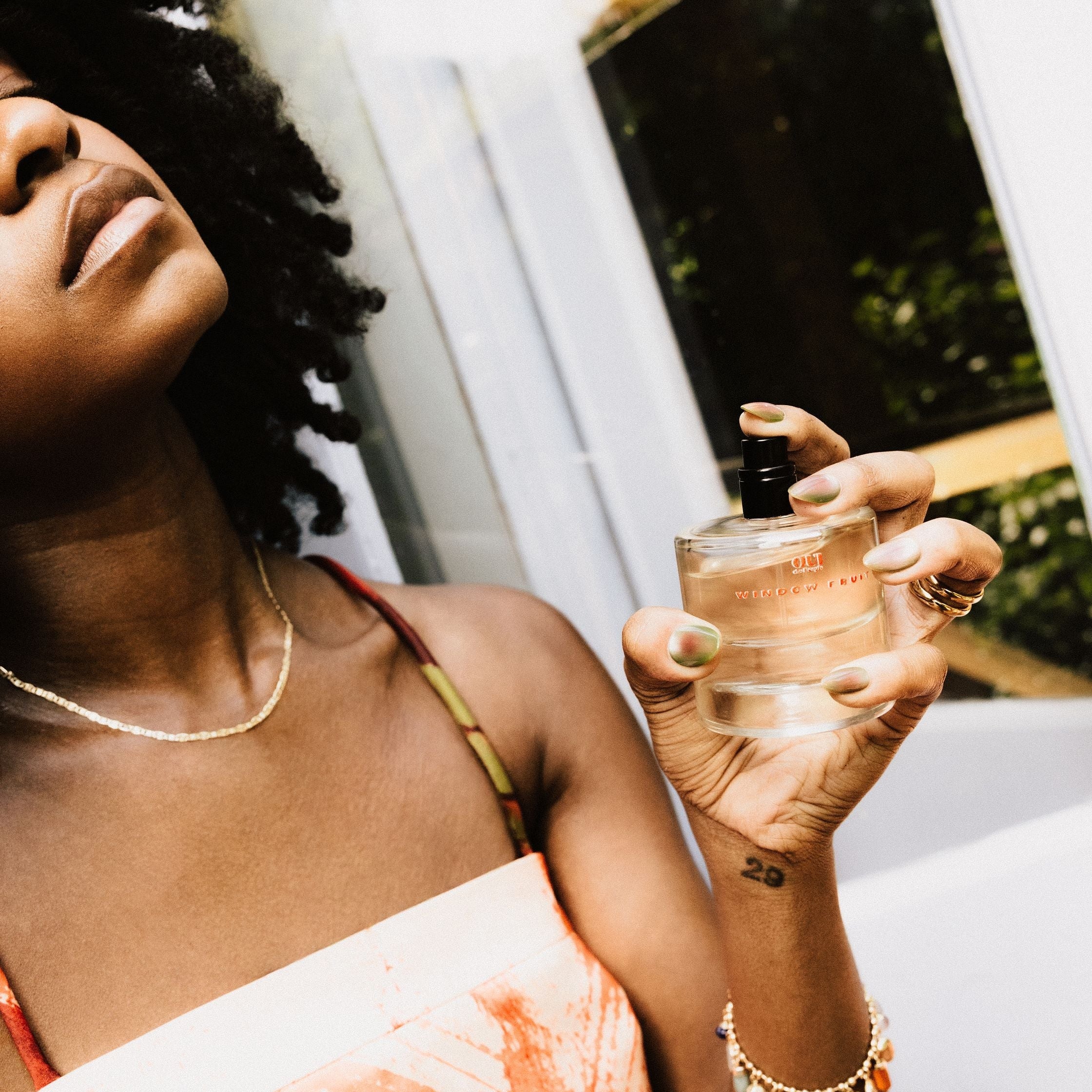
WINDOW FRUIT Eau de Parfum opens with sparkling pear water and bergamot — that immediate luminous brightness before the scent settles into creamy guava, coconut milk, and frangipani. The bergamot is what gives Window Fruit its sun-drenched quality in the first moments on skin, like light streaming through a window. Without it, the opening would be sweeter and softer. With it, there is a spark.
SUNDAY LIME Eau de Parfum lives in the same bright, airy family that bergamot defines — mineral water, salty air, ocean pearl in the top notes creating a transparent freshness that bergamot lovers instinctively recognize. While Sunday Lime does not feature bergamot explicitly, its opening occupies the same emotional space: clean, luminous, and immediate.
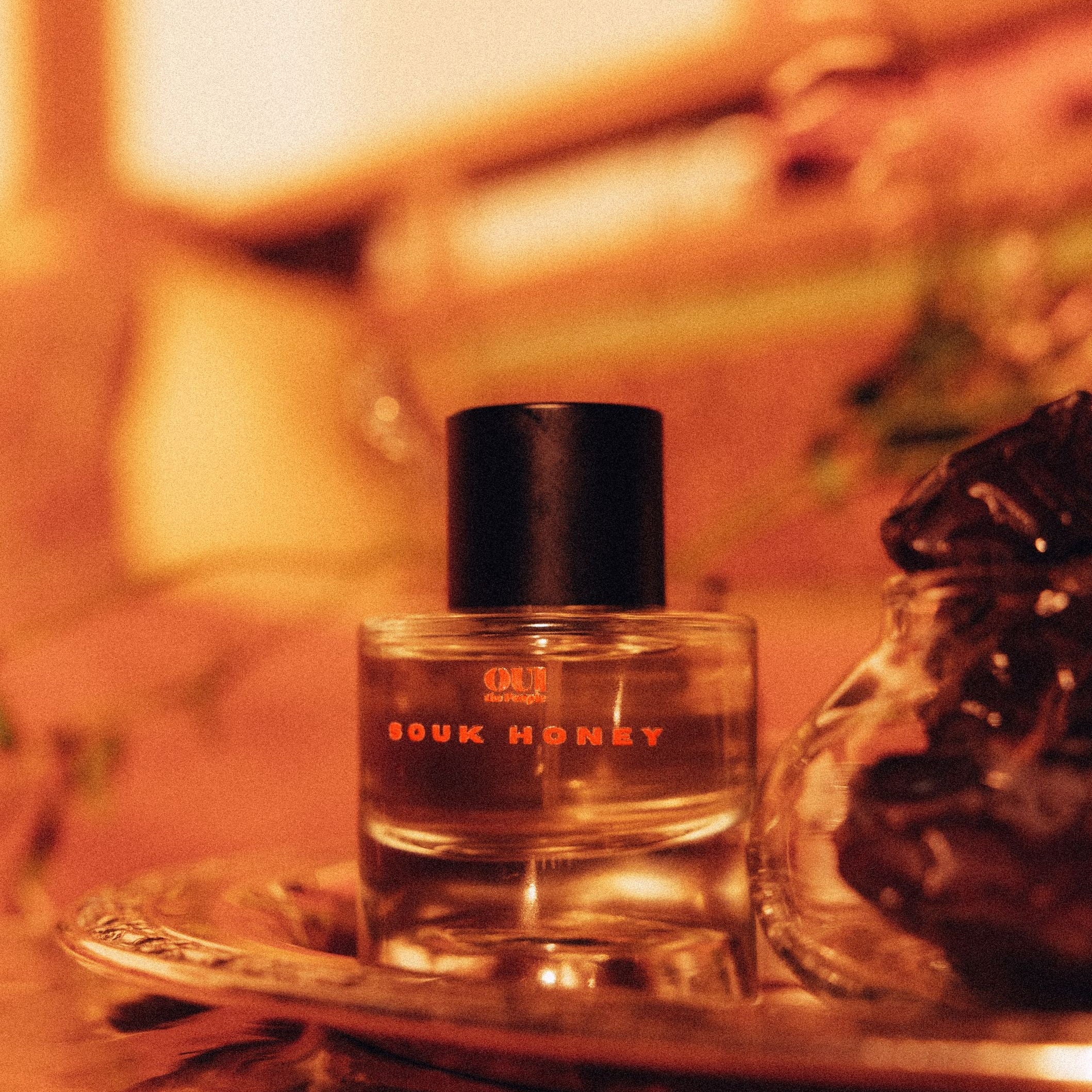
The Fragrance World Discovery Set is the best way to experience how citrus brightness plays differently across compositions — from Window Fruit's bergamot sparkle to Sunday Lime's mineral freshness to Souk Honey's orange blossom warmth.
Frequently Asked Questions
Is bergamot a feminine or masculine scent?
Bergamot is entirely gender-neutral. It has been used in both traditionally masculine colognes and feminine florals for centuries. Its clean, bright character does not lean in either direction, which is why it works as a universal opening note.
Does bergamot smell like orange?
It is in the same family, but bergamot is less sweet and more aromatic than orange. Where orange is round and juicy, bergamot is sharper, slightly bitter, and has a green, tea-like quality. Think of it as orange's more sophisticated sibling.
Why is bergamot in Earl Grey tea?
The essential oil of bergamot is used to flavor Earl Grey, giving the tea its distinctive aromatic, slightly floral citrus character. If you enjoy the smell of Earl Grey, you already have an affinity for bergamot in fragrance.
Is bergamot a top note or base note?
Bergamot is almost always used as a top note. It is one of the first things you smell when you spray a fragrance and typically fades within the first hour, making way for the heart and base notes underneath. Its purpose is to create an immediate impression and set the tone for the rest of the scent.
Can bergamot cause skin sensitivity?
Natural bergamot oil contains a compound called bergapten that can cause photosensitivity — meaning skin exposed to bergamot and then sunlight may darken or irritate. Most modern perfumery uses bergapten-free (or "FCF") bergamot oil, which removes this risk. If you have sensitive skin, look for fragrances that specify bergapten-free bergamot.
This is part of the OUI the People Fragrance School — a growing guide to understanding the notes, families, and language of fragrance.

Leave a comment
This site is protected by hCaptcha and the hCaptcha Privacy Policy and Terms of Service apply.