
Article: What Is a Gourmand Perfume? Your Guide to Sweet, Edible Scents
What Is a Gourmand Perfume? Your Guide to Sweet, Edible Scents
Some fragrances smell like flowers. Some smell like forests. Gourmand fragrances smell like something you want to eat. Interesting tidbit: the rise in gourmand fragrances is directly linked to more consumers using GLP-1s.
Apparently, when we can't have our cake and eat it too, smelling it will do.
The term gourmand is used to describe this unique scent family that evokes edible delights. That is the simplest definition, and it is not wrong — but it misses the point.
The meaning of gourmand comes from the French word for 'glutton,' originally referring to someone with a hearty appetite for good food and drink.
Today, we use gourmand to describe both people who love to indulge in culinary pleasures and fragrances that tempt the senses with edible aromas. Gourmand perfumes are all about the pleasures of scent, awakening the senses and mirroring the enjoyment of savoring good food.
A good gourmand perfume is not trying to smell like dessert. It is trying to capture the feeling dessert gives you: warmth, comfort, indulgence, the sense that something sweet is happening close to your body. The best gourmands are less about sugar and more about intimacy, crafted to indulge the senses and capture the essence of edible comfort.
For English speakers, the term has evolved and is sometimes used as a synonym for foodie, gourmet, or even glutton, though with a more playful and affectionate connotation. Unlike 'glutton,' which can imply excess, or 'gourmet,' which suggests refinement, gourmand celebrates the joyful pleasures of eating and scent without judgment. Over time, the term gourmand has come to describe perfumes designed to smell like desserts, confectionery, or comforting treats, highlighting their ability to tempt and delight the senses.
What Does Gourmand Mean in Perfume?
A gourmand fragrance is any perfume built around notes that evoke food, baking, candy, or edible ingredients. Vanilla, chocolate, caramel, honey, cinnamon, coffee, almond, brown sugar, toasted coconut — if it sounds like a recipe, it probably belongs in the gourmand fragrance family. Fruits such as peach, apricot, and orange blossom are also key components in many gourmand perfumes, adding brightness and complexity to the scent.
Gourmand describes someone who takes deep pleasure in eating — not a food critic, but someone who simply loves the experience of flavor. In contrast, a 'gourmet' is a connoisseur with refined, discriminating taste for high-quality food and drink, while a 'foodie' is more trend-driven and casual in their appreciation. A gourmand not only enjoys food but also takes pleasure in pairing it with fine drinks, enhancing the overall sensory experience. In perfumery, the term carries the same energy: sensory pleasure, unapologetic sweetness, the comfort of something rich and warm.
But the gourmand category is wider than people realize. It is not all cupcakes and cotton candy. Modern gourmand perfumery includes spiced gourmands built around cardamom and ginger, lactonic gourmands that smell like warm milk and cream, honeyed gourmands that lean floral and golden, and boozy gourmands built on rum, cognac, or wine notes. The common thread is not a specific ingredient — it is the feeling of edible warmth on skin.
The Scent Profile at a Glance
Family: Gourmand / Resinous Gourmand
Character: Sweet, warm, edible, cozy, rich
Common notes: Vanilla, honey, caramel, chocolate, cinnamon, tonka bean, praline, brown sugar, coconut, coffee, raspberry, peach, pear, apple blossom, grapefruit, bergamot, neroli, jasmine, rose, lavender, violet, maple syrup, bourbon vanilla, and juicy fruit accords
Mood: Sunday mornings. The warmth of a kitchen. Someone you want to stay close to. Comfort that is unapologetic.
The core of a gourmand scent can feature notes like praline, marshmallows, buttered popcorn, or candy floss. Floral elements such as jasmine, rose, violet, neroli, and lavender can add depth and sophistication to gourmand fragrances.
A Brief History of Gourmand Fragrance
The gourmand category is younger than most people think. According to Merriam-Webster, the word 'gourmand' historically refers to someone who enjoys eating and drinking to excess, and its etymology traces back to the French language, emphasizing indulgence and sensory pleasure. While vanilla and spices have appeared in perfumery for centuries, the idea of building an entire fragrance — and family — around the concept of something edible is relatively modern.
The moment most perfume historians point to is the 1992 launch of Thierry Mugler's Angel — a fragrance that officially launched the modern gourmand family. Angel was groundbreaking for its use of ethyl maltol and pralines without traditional floral notes, combining patchouli, chocolate, caramel, and cotton candy in a way no one had attempted before. It was polarizing. Some people loved it immediately. Others found it too sweet, too strange, too much like food to be taken seriously as a perfume. But it sold extraordinarily well, and it opened a door that the fragrance industry walked through and never turned back.
By the 2000s, the gourmand trend had become one of the fastest-growing fragrance families in the world. The rise of niche perfumery accelerated it further, giving perfumers permission to create fragrances inspired by edible and dessert-like elements — pairing them with woods, musks, resins, and florals that elevated sweetness into something complex and wearable. This trend has led to playful and refreshing takes on gourmand scents, such as creamsicle and citrus notes, without being overly sweet or heavy.
Today, gourmand is arguably the dominant trend in fragrance. Gourmand fragrances are highly popular because they are instantly recognizable, comforting, and often evoke nostalgia, acting as 'scent memories.' Search interest in gourmand perfumes has grown steadily year over year, driven by a cultural moment that favors comfort, intimacy, and sensory warmth. The TikTok fragrance community, in particular, has embraced gourmands — especially those in the "cozy," "warm," and "you smell like you taste good" space.
What Makes a Great Gourmand Perfume
Not all gourmands are created equal. The difference between a tempting gourmand perfume that smells like a luxury fragrance and one that smells like a scented candle comes down to a few things. Gourmand perfumes are especially fitting for cooler seasons like autumn and winter, when their cozy, rich, and edible notes feel most comforting and indulgent.
Depth matters more than sweetness. A gourmand that is just sweet becomes cloying within an hour. The best gourmand compositions balance their edible notes with grounding elements — woods, musks, resins, or spices — that give the fragrance a foundation and keep it from floating into pure sugar. Some modern gourmands even blend edible accords with non-food elements like patchouli, musk, or woods to keep the scent sophisticated, and certain blends can have a masculine edge, featuring earthy notes like vetiver or bold coffee for a strong, confident aroma profile. The sweetness should pull you in, but the depth should make you stay.
Layering gourmand fragrances is an art that allows you to create a signature scent that's truly yours. Start with a hydrating base, such as a body gloss to help your fragrance grip onto the skin. Apply the gourmand scent first to pulse points like wrists, neck, and behind the ears. This is your anchor in scent layering, or scent stacking. Once it has dried down, you can add a second fragrance sparingly to avoid overwhelming the senses. Rich base notes like vanilla, tonka bean, and cacao provide exceptional staying power on the skin for gourmand perfumes.
Dry-down is everything. Gourmand fragrances evolve more dramatically than most other families. What smells like honey and caramel in the first five minutes may settle into warm sandalwood and musk by hour three. The dry-down — what the fragrance smells like once the top notes have evaporated and the base is sitting on your skin — is where a gourmand lives or dies.
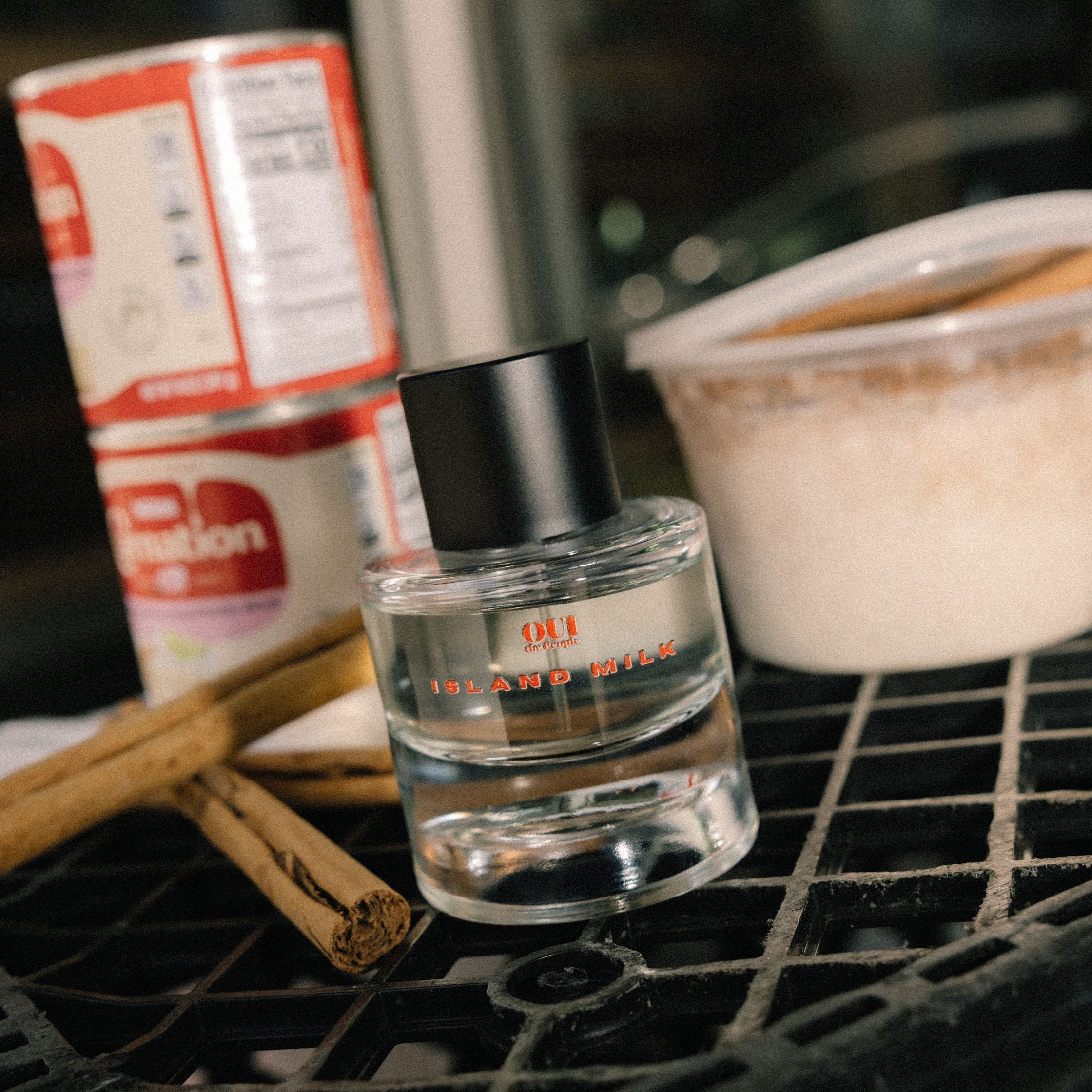
Modern gourmands often blend edible notes with spices, woods, or florals to create sophisticated, balanced, and sometimes savory profiles. Gourmand scents are often perceived as approachable and 'non-perfumey,' frequently garnering compliments from others. These scents can also trigger the brain's limbic system, evoking happy childhood memories of bakeries, holiday treats or loved ones. It was this very emotional memory of tea time with my grandmother that resulted in our popular Island Milk fragrance.
Skin chemistry plays a larger role. Because gourmand notes tend to sit close to the body and interact heavily with your natural warmth, they smell different on every person. A fragrance that smells like warm vanilla cream on one person might lean more toward toasted spice on another. This is not a flaw — it is part of why gourmands feel so personal.
Gourmand Fragrance at OUI the People
The OUI the People Fragrance World collection features fragrances inspired by edible and dessert-like aromas, with three scents that sit firmly in the gourmand family, each exploring a different facet of sweetness and capturing the essence of their core notes.
ISLAND MILK Eau de Parfum is a spiced gourmand inspired by Caribbean condensed milk tea. It opens with cashew milk, cinnamon bark, and black pepper — warm and immediately comforting — then settles into a heart of ginger root, cardamom, and brown sugar. The dry-down is whipped musk, sandalwood, and tonka bean. Island Milk embodies the essence of cozy, creamy comfort and is the entry point for anyone who wants a gourmand that feels inviting without being juvenile. It is creamy, lactonic, and built to wear close, with a playful twist from its spiced notes.
SOUK HONEY Eau de Parfum is a honeyed floral gourmand — straddling the line between the gourmand and floral families. Its heart is spiced cardamom and date syrup, and it dries down into manuka honey, golden amber, and sandalwood. Where Island Milk is creamy comfort, Souk Honey is golden warmth — more luminous, more sensual, with the honeyed sweetness of a Moroccan souk at golden hour, capturing the essence of radiant, sunlit indulgence.
WINDOW FRUIT Eau de Parfum brings a lighter, fruitier, and juicy take on the gourmand sensibility. Creamy guava, coconut milk, and lychee nectar give it a milky tropical character, while solar musk and Tahitian vanilla in the base keep it grounded and warm. The playful blend of juicy fruits makes Window Fruit the gourmand for someone who loves sweetness but wants it sun-soaked rather than kitchen-warm.
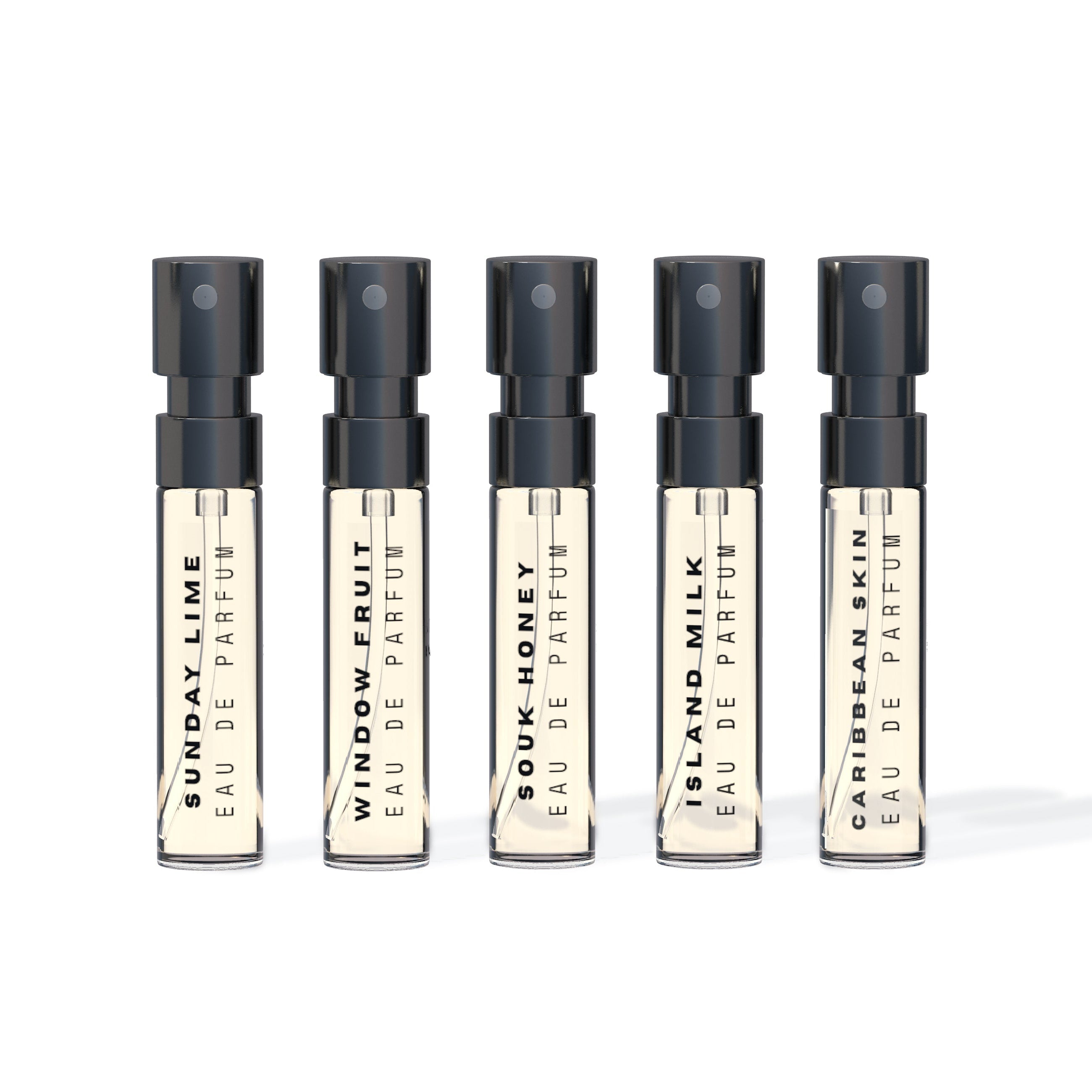
For anyone exploring the gourmand family, the Fragrance World Discovery Set includes all five OUI the People fragrances — letting you experience the range from full gourmand (Island Milk) to gourmand-floral hybrid (Souk Honey) to fruity gourmand (Window Fruit) before committing to a full bottle.
Layering is where gourmand fragrances become truly personal. The Milk & Honey Duo pairs Island Milk and Souk Honey for a richer, deeper gourmand experience — the creamy warmth of condensed milk tea layered with golden honeyed florals. And applying any EDP over the FEATHERWEIGHT Hydrating Body Gloss in Orange Blossom as a base layer adds projection, longevity, and a shared orange blossom thread that ties the scent to the skin.
Frequently Asked Questions
Are gourmand perfumes too sweet for everyday wear?
Not if they are well-constructed. Gourmand perfumes belong to a distinct fragrance family defined by their sweet notes — think vanilla, caramel, or chocolate — which give them their signature edible, cozy character. A good gourmand balances these sweet notes with musk, wood, or spice to keep the scent grounded and sophisticated. Many people wear gourmand fragrances daily, especially in cooler seasons like autumn and winter, when warm, rich scents feel most natural. In warmer months, lighter gourmands like Window Fruit or fruit-forward compositions work well without becoming overpowering.
Do gourmand perfumes last long?
Generally, yes. Gourmand notes — vanilla, tonka bean, amber, musk — tend to be base-note heavy, which means they are among the slowest to evaporate from skin. A well-built gourmand will often outlast fresh or citrus-forward fragrances by several hours.
What is the difference between gourmand and amber (previously called oriental) perfumes?
There is significant overlap. Amber fragrances are warm and rich, often featuring vanilla, spice, and resin. Gourmands are a subcategory within that olfactory family that specifically lean into edible, food-like qualities. An amber might smell like incense and warm resin; a gourmand smells like honey and toasted vanilla. Many modern fragrances, including Souk Honey, sit comfortably in both camps.
Can men wear gourmand perfumes?
Absolutely. Gourmand is one of the most gender-neutral fragrance families. Notes like vanilla, coffee, tobacco, and spice are used extensively in fragrances marketed to every gender. The OUI the People fragrances are designed to be worn by anyone. Our founder was introduced to fragrance as a child when her uncles wore Chanel No. 5 liberally.
What is a lactonic gourmand?
A lactonic gourmand features creamy, milky notes — think warm milk, coconut cream, or condensed milk. The "lactonic" quality comes from specific molecules (like lactones) that evoke the rich, smooth sweetness of dairy. Island Milk is a textbook example of a lactonic gourmand, built around cashew milk and whipped musk.
This is part of the OUI the People Fragrance School - a growing guide to understanding the notes, families, and language of fragrance.

Leave a comment
This site is protected by hCaptcha and the hCaptcha Privacy Policy and Terms of Service apply.